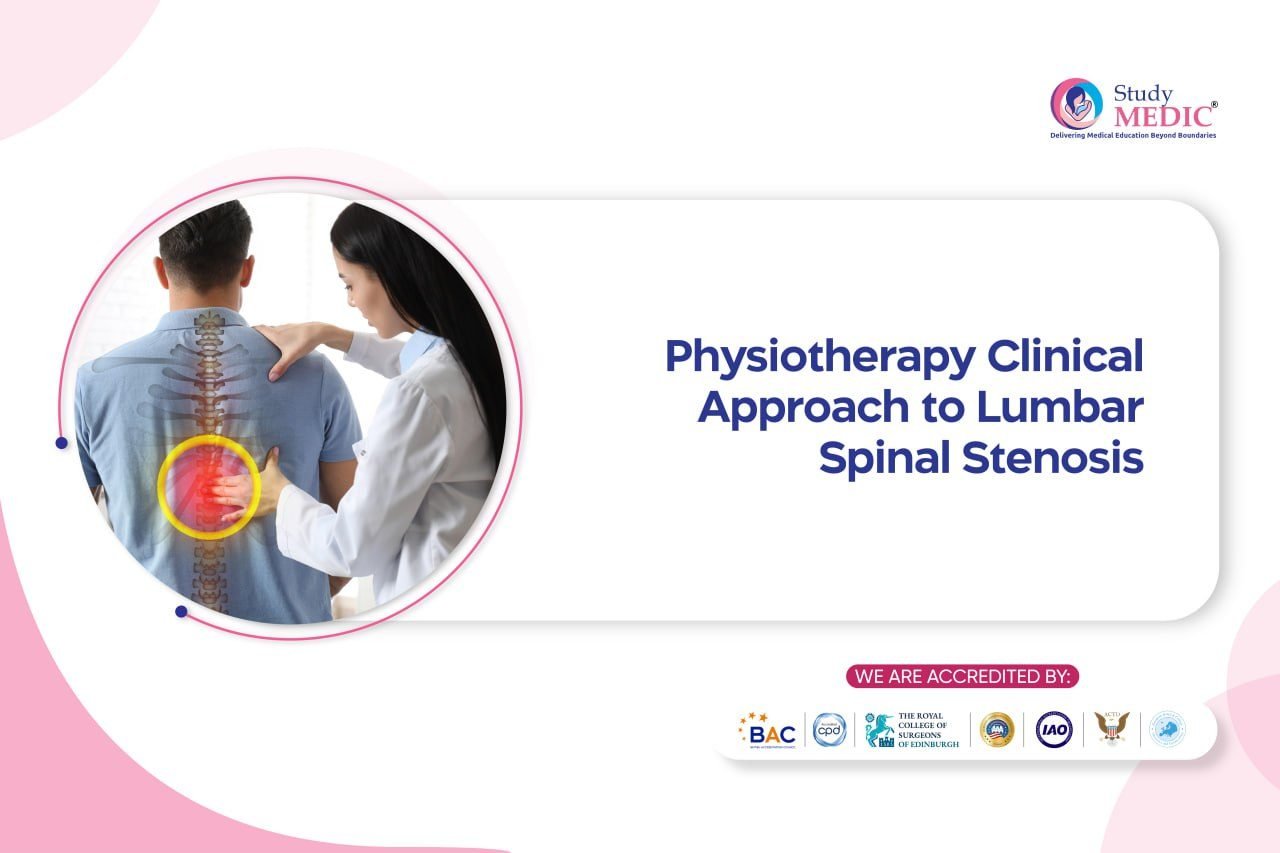
Physiotherapy Clinical Approach to Lumbar Spinal Stenosis
This online physiotherapy CPD course delivers a comprehensive overview of lumbar spine pathologies, focusing on classification, clinical presentation, and practical assessment strategies. The course covers a wide spectrum of pain generators, including mechanical, inflammatory, degenerative, acute, chronic, recurrent, central, and peripheral causes of low back pain.
Key conditions such as disc herniation, facet joint syndrome, spinal stenosis, spondylolisthesis, and sacroiliac joint dysfunction are explored in detail. Emphasis is placed on differential diagnosis, red flag identification, and informed physiotherapy decision-making to support safe, patient-centred assessment and treatment planning.
CPD Certification
- CPD Credit Hours: 2.5 hours
Who Should Enrol
- Physiotherapists
- Musculoskeletal, Sports, and Orthopaedic Physiotherapists
- Chiropractors, Osteopaths, and Manual Therapists
- Rehabilitation and Pain Management Practitioners
- Occupational Therapists in musculoskeletal or rehabilitation settings
Resources Included
- Downloadable course slides and summary tools
- CPD Certificate
- 30 days of access to learning materials
Course Presenter:
Dr. Rina Pandya, PT, DPT, FHEA, PGLTHE
Dr. Rina Pandya is an internationally experienced physiotherapist with clinical and academic expertise across India, Oman, the UK, and the USA. She holds a DPT from the University of Michigan-Flint and an entry-level degree from the School of Allied Health Sciences, Manipal. A passionate advocate of evidence-based practice, she has completed a Fellowship in Higher Education (FHEA), a Postgraduate Certificate in Learning & Teaching (PGLTHE), and formal research training at the Manchester School of Physiotherapy. Her global clinical experience and practical teaching style empower clinicians to apply safe, effective, and evidence-based pain assessment and management strategies.
Features

Identify common lumbar spine pathologies and their distinguishing features

Analyse etiology and clinical presentation, including pain patterns, red flags, and functional limitations

Perform focused assessment techniques such as observation, palpation, ROM testing, neurodynamic screening, and functional movement analysis

Integrate pathology-specific findings into differential diagnosis and determine when referral for further investigation is required
Remarks
TAX is applicable for all the courses and products.Contact our Study Support team for more details
+91 8562 800 700 +44 7341 981 539 sales@studymedic.comSelect Exam Date
Related Products
-

Physiotherapy in Congestive Heart Failure: Diagnosis to Intervention
Read more Buy Now -
A Comprehensive Guide to Pregnancy related Musculoskeletal Conditions – Pregnancy Care Physiotherapy
Read more Buy Now -
Evidence-Based Antenatal Exercise Prescription: Clinical Approaches for Physiotherapists
Read more Buy Now -

Reflective Writing for Physiotherapists: From Reaction to Insight
Read more Buy Now
Reviews
There are no reviews yet.